
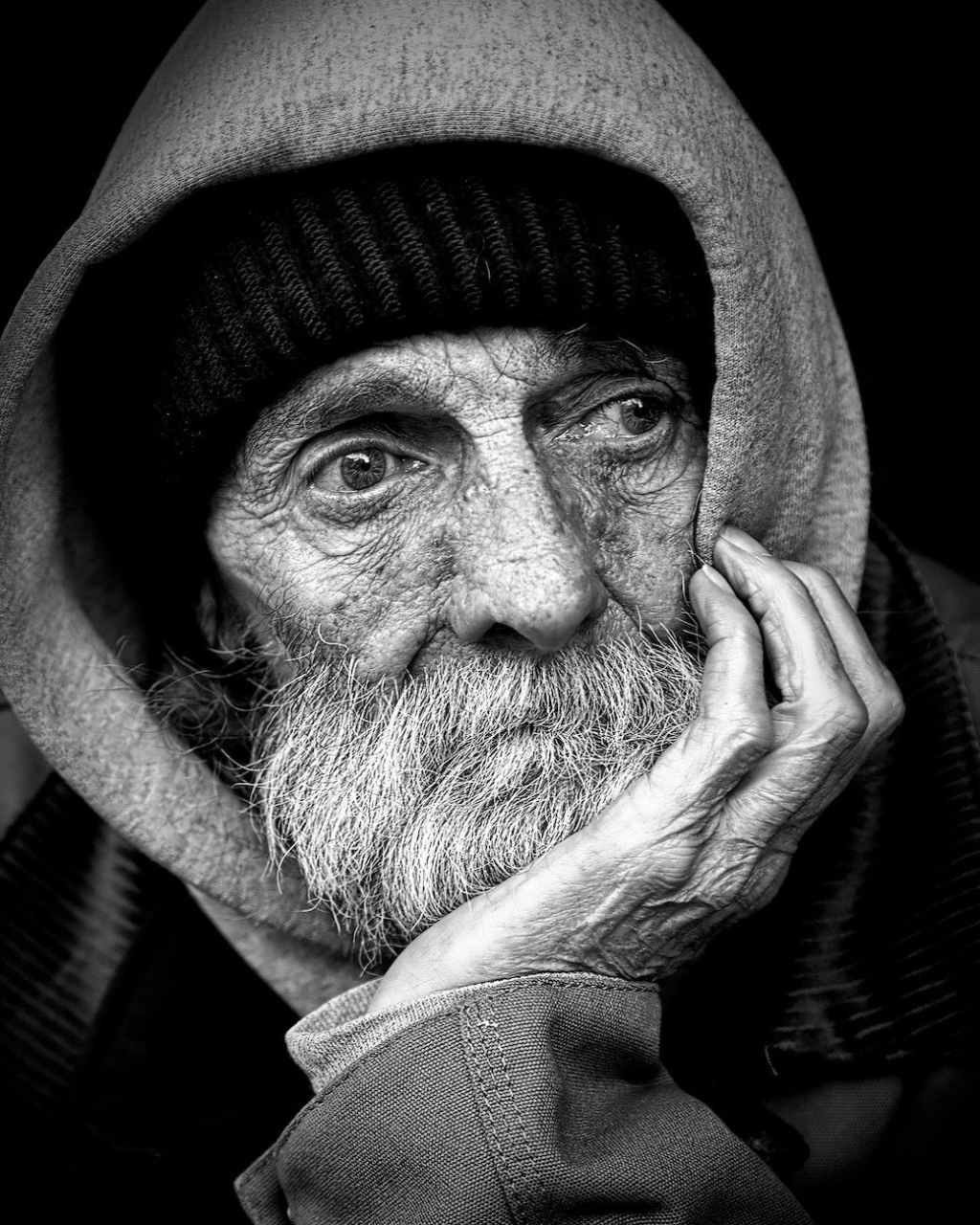
The problem is getting bigger
Homelessness is a growing problem for America’s aging population. More and more seniors are falling into poverty and have no place to live. A recent article in the Wall Street Journal from September 12th stated:
Officials with the Department of Housing and Urban Development say older adults are the fastest-growing segment of the homeless population and are making up a larger and larger share of homeless people overall.
Wall Street Journal
Similar articles have appeared in other publications in the recent past.
A Washington Post story from May, 22 had this to say:
Seniors are flooding homeless shelters that can’t care for them.
Washington Post
And, From the Pittsburgh Post-Gazette August, 23:
Pittsburgh’s homeless population includes more seniors who can’t afford housing.
Pittsburgh Post-Gazette
It is heartbreaking to think about a family member or friend falling into such a predicament. Let’s take a look at some of the factors that are contributing to this disturbing trend.
Health care costs
As we age, healthcare costs increase as we require medical attention more often. This is a fact of life. While the Medicare system is extremely beneficial, it often falls short. Part B costs and supplemental coverage both increase annually.
Prescription drugs play a significant role in the lives of many seniors, and they can be quite expensive. According to the new 2024 Medicare guidelines, the out-of-pocket limit for drugs is $8000 before “catastrophic coverage” kicks in—even then the member remains liable for 5% of costs, and every year the out-of-pocket obligation renews.
Without delving too deeply into healthcare details, I hope you get my point on how healthcare costs can break a budget.
As long as we have a market-driven healthcare system these problems will persist.
Soaring rental prices
According to the 2020 U.S. Census, renters have a significantly lower net worth compared to homeowners. The median net worth of a “Renter Household” is $5650, with half having less.
As a result, these individuals are increasingly finding it difficult to maintain housing and have very limited options.
In the above-mentioned Wall Street Journal article, Social Security benefits are compared to the rental market in Naples, FL. The average Social Security payment in 2018 was $1369, which has now increased to $1791, an increase of $422. Meanwhile, the average rent in Naples during the same time period has risen from $1603 to $2833, a rise of $1230. This additional cost is often unmanageable for those on fixed incomes. This trend is not unique to Naples and is being played out nationwide.
Insufficient late life planning
According to the 2020 US Census, the median retirement account for those 65 and older is approximately $150K. Half have less.
Many experts recommend having $1 million to retire comfortably.
However, retirement is not a one-size-fits-all situation. I believe a more reasonable approach would be to base recommendations on an individual’s or family’s earnings during their working years. This would better reflect their lifestyle. Experts with this mindset suggest that retirees should have anywhere between 10x and 13x of their last year’s salary saved for retirement.
Returning to the census data, the median annual salary in the US in 2020 was around $60K. Therefore, a retiree would need a minimum of $600K, which is not realistic for most.
Unfortunately, many seniors find it difficult to afford their cost of living, often needing to make a choice between food, medicine, or shelter.
For most, the above challenges will cause hardships, but the majority of folks will find a way to keep a roof over their heads. Whether it be finding a roommate or moving in with family. There are answers, but not for everyone.
Additionally, there are those who make poor life decisions.
Alcohol and drug use are factors that contribute to homelessness, the senior citizen population is hardly immune to either. Broken marriages, risky investments, and sudden job losses contribute as well.
Mid-Night Run
My family belonged to a church in NY that was affiliated with an organization called Midnight Run. Once a month, as a group, we would pack up a van and the trunks of our cars with food and clothing. We usually did it on a Saturday night. Then we would head into Manhattan and distribute our goods The goal of the program was not just to distribute the much-needed supplies, but also to talk and make a personal connection with the people we met— let them know we cared.
Almost every single newcomer to “The Run” would be struck by how normal, or regular the people they met on the streets were. In large part, many people find themselves in such dire circumstances due to one, or more of the conditions above.
Some would say, “That could happen to anyone”—I don’t think that is true. But, there are more Americans on the brink of losing everything than we are willing to admit.
The senior population is particularly vulnerable.
As individuals, we can only make a tiny impact on such a huge problem. A lot of tiny impacts add up to a big impact. There is always a way to help
According to a study from the Joint Center for Housing Studies of Harvard University, from November 13, 2019; the percentage of seniors in shelters rose from 16.5% in 2007 to 23% in 2019. The homeless are a difficult segment of the population to count, I would suspect there are many more.



 senior Scoops
Leave a comment